
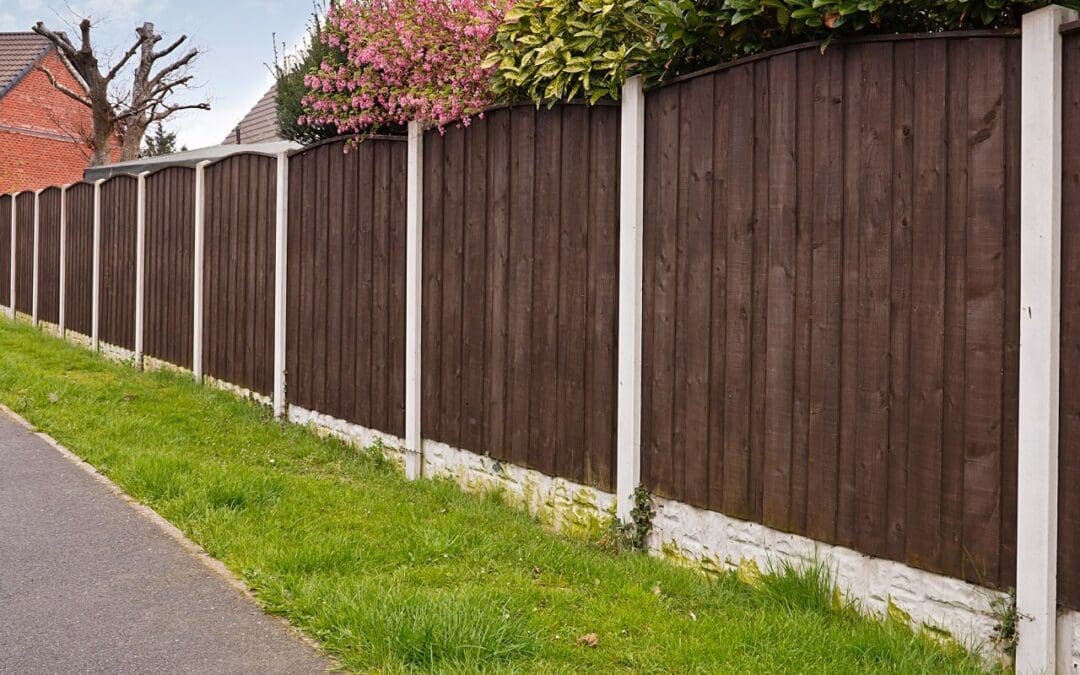
Choosing the right fencing material is a decision that homeowners often approach by looking at what’s popular in the neighborhood or what fits the immediate budget, without fully accounting for how the material performs over time, what it costs to maintain, and whether it suits the purpose the fence is meant to serve. A fence that looks beautiful at installation but requires repainting every two years, or one that’s affordable upfront but deteriorates in the local climate faster than expected, ends up costing more than a better-matched choice would have. Understanding how the most common materials compare on durability, maintenance, privacy, and long-term cost is what turns a fencing decision into a sound one.
Wood: The Classic Fencing Material With Ongoing Maintenance Requirements
Wood is the most widely installed residential fencing material and the one with the broadest range of style options, from classic picket to board-on-board privacy configurations and split-rail designs. It’s the material that most naturally complements landscaping, accepts paint and stain in any color, and can be customized to virtually any height and profile. These advantages come with a consistent trade-off: wood requires ongoing maintenance to perform at its best and achieve its rated service life. A wood fence properly installed, sealed at installation, and stained or painted every two to three years can last 15 to 20 years or more. A wood fence that receives no maintenance deteriorates significantly faster. Moisture is wood’s primary enemy: untreated fencing is susceptible to rot at the post bases, warping in boards exposed to repeated wet-dry cycling, and splitting in climates with significant freeze-thaw movement. Pressure-treated wood posts are the standard specification that most significantly extends service life, as post base rot is the most common failure point in wood fencing systems.
Vinyl: The Low-Maintenance Fencing Material
Vinyl fencing has become the dominant low-maintenance alternative to wood because it requires essentially no ongoing upkeep beyond occasional washing, doesn’t rot or warp, and holds its color without painting or staining. It’s the fencing material that appeals most to homeowners who want the appearance of a traditional wood fence without the maintenance schedule. The trade-offs with vinyl are worth understanding before purchase. Vinyl fencing can crack or shatter in significant impact, from a falling branch or severe storm, and individual sections are more difficult to repair seamlessly than wood, where damaged boards can be replaced without visual disruption. Vinyl also has less structural rigidity than wood at comparable post spacing, which matters more in areas with significant wind load. In very hot climates, vinyl may expand and contract enough to affect fit at joints over time. For homeowners whose priority is low maintenance in a moderate climate, vinyl is the fencing material that most reliably delivers on that priority.
Metal: Aluminum, Steel, and Chain Link
Metal fencing materials cover a wide range from ornamental aluminum and wrought iron to galvanized steel and chain link, each with distinct performance characteristics, cost profiles, and appropriate applications. Aluminum fencing is the most commonly used as a decorative residential option: lightweight, rust-resistant, and available in ornamental styles that complement traditional architecture. It provides visual delineation and security without solid privacy, making it the right fencing material for front yard boundaries, pool enclosures, or garden perimeters where visibility is desired. Chain link is the fencing material with the lowest upfront cost and the longest service life for utilitarian applications. It provides security and containment without privacy, is virtually maintenance-free when galvanized, and is the appropriate fencing material for applications where function matters more than aesthetics. Vinyl-coated chain link improves its appearance while maintaining most of its practical advantages.
Frequently Asked Questions (FAQs)
Which fencing material lasts the longest?
Wrought iron and galvanized steel have the longest potential service life, decades with appropriate maintenance. Aluminum and vinyl also offer very long service lives with minimal maintenance in moderate climates. Wood has the shortest service life when maintenance is inconsistent; a well-maintained cedar or redwood fence can outlast a neglected vinyl one. Service life depends as much on maintenance consistency and installation quality as on the fencing material itself.
What fencing material is best for privacy?
Wood board-on-board and solid vinyl panel fencing are the most effective fencing materials for full privacy, providing complete visual screening at any height up to local ordinance limits. Composite fencing, combining wood fiber and recycled plastic, is another solid-panel option offering the appearance of wood with lower maintenance requirements.
Is composite fencing a good alternative fencing material to wood?
Composite fencing offers an intermediate option between wood and vinyl: the warm visual appearance of wood with significantly better moisture and rot resistance, without painting or staining. It costs more than standard wood fencing at installation but typically requires less maintenance investment over time.
How does climate affect fencing material choice?
Climate is one of the most significant variables in fencing material selection. In wet climates, wood requires more frequent maintenance and pressure-treated lumber as a minimum specification. In hot, dry climates, vinyl may expand and contract more significantly over time. In coastal environments with salt air, aluminum is a better metal fencing material choice than steel, which corrodes more readily.
Jamie Schaefer, Professional Home Inspector, provides home inspection services to Southwest Florida, The Villages, and the surrounding cities and towns in Central Florida. If you’re buying or selling a property, contact us to request an appointment.