
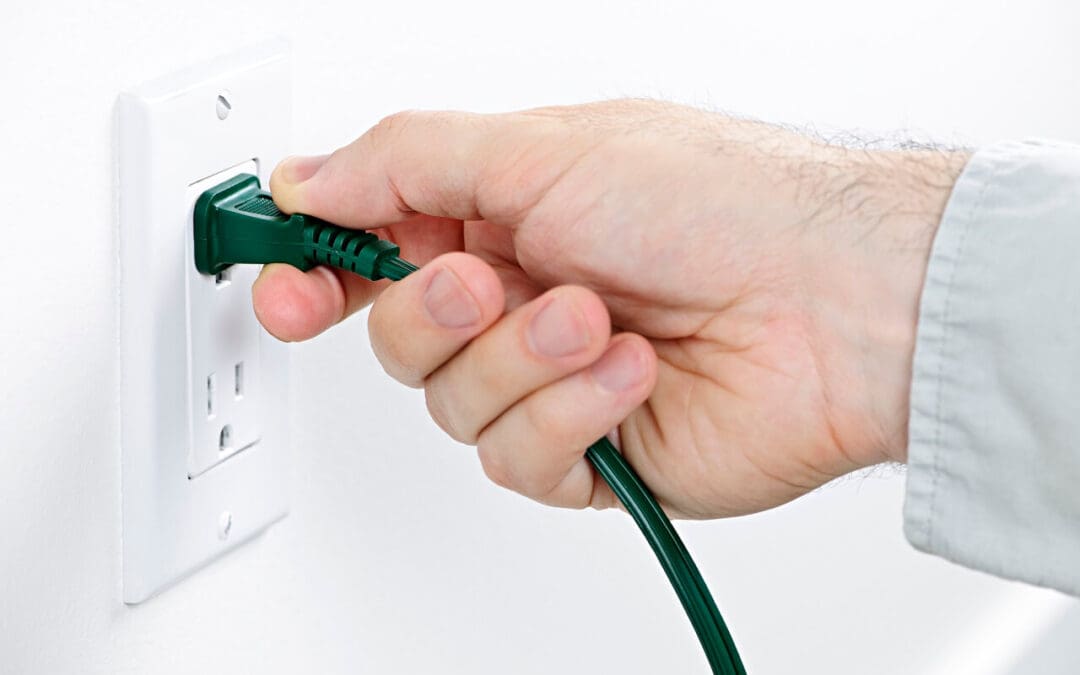
Electrical safety is one of those home topics that most homeowners feel reasonably confident about. The reality is that electrical hazards don’t announce themselves. They develop quietly behind walls, inside panels, and at connection points throughout the home, and the warning signs that something isn’t right are easy to miss or dismiss as minor quirks. Whether a home is brand new or decades old, understanding the fundamentals of electrical safety is knowledge that protects both property and lives.
The Electrical Safety Basics Every Home Needs in Place
A home’s electrical safety foundation starts with the detection and protection systems that prevent small problems from becoming catastrophic ones. Smoke detectors and carbon monoxide detectors are the first line of defense, and their effectiveness depends entirely on whether they’re functional. Testing every unit monthly, replacing batteries annually, and replacing the units themselves every ten years maintains the protection they’re designed to provide. Ground fault circuit interrupter (GFCI) protection at outlets near water sources is a code requirement in modern construction and a critical electrical safety upgrade in older homes that predate those requirements. Bathrooms, kitchens, garages, outdoor outlets, and unfinished basements should have GFCI protection. Testing each GFCI outlet monthly confirms the protection is active.
Arc fault circuit interrupter (AFCI) breakers protect against the arc faults that cause a significant percentage of residential electrical fires. Unlike a standard breaker that responds to overload, an AFCI breaker detects the irregular electrical signature of an arc fault, the kind produced by damaged wiring, loose connections, or a cord pinched under furniture. AFCI protection is required in bedrooms and living areas in modern construction and is a meaningful electrical safety upgrade in homes that don’t have it.
Recognizing Warning Signs That Threaten Safety
The warning signs of developing electrical problems follow a predictable pattern, and recognizing them early is the difference between a service call and an emergency. Breakers that trip repeatedly when specific circuits are used are communicating that the circuit is regularly drawing more current than it’s rated for. Resetting without investigating produces the same outcome until the underlying condition worsens. A licensed electrician can assess whether the circuit needs to be dedicated, whether the panel has capacity to add a circuit, or whether a wiring condition is contributing to the problem.
Outlets or switch plates that feel warm to the touch, a persistent burning smell without a visible source, lights that flicker or dim when appliances cycle on, and outlets that produce a spark when a device is plugged in are all conditions that warrant professional assessment rather than monitoring. Each may indicate a wiring or connection issue that is invisible at the surface and consequential if left unaddressed. An electrical panel that feels hot on the exterior, shows visible burn marks or discoloration, or contains breakers that won’t reset is a panel in distress, a condition that warrants same-day professional attention rather than scheduling a future appointment.
Electrical Safety Habits That Protect the Whole Home
Beyond detection systems and warning signs, the daily and seasonal habits that homeowners maintain play a direct role in electrical safety outcomes. Extension cords used as permanent wiring are one of the most consistently documented residential electrical safety hazards. Extension cords are rated for temporary use and specific load capacities; running high-draw appliances through them, or routing cords under rugs where heat can’t dissipate, degrades insulation and eventually produces failure. The correct solution is adding outlets where they’re needed.
Outdoor electrical equipment, outlets, fixtures, and landscape lighting should be rated specifically for outdoor use. Equipment not rated for exterior exposure deteriorates faster and creates electrical safety risks that indoor-rated equipment doesn’t. Checking that outdoor equipment carries a weatherproof rating is a simple seasonal habit with real protective value. A professional electrical inspection every five to ten years, or after any significant renovation, provides the comprehensive whole-home assessment that no amount of self-monitoring replaces. It catches conditions not yet producing symptoms and documents the system’s current state.
Frequently Asked Questions (FAQs)
What are the most common causes of residential electrical fires?
The leading causes are arc faults from damaged wiring, overloaded circuits, improper extension cord use, and appliance failures. Many are addressable through AFCI protection, dedicated circuits for high-draw appliances, and not using extension cords as permanent wiring.
How do I test my GFCI outlets and how often should I do it?
Press the “test” button; the outlet should lose power. Press “reset” to restore it. Test monthly. A GFCI that doesn’t cut power when tested is a failed unit providing no protection despite appearing functional; replace it.
Is it safe to reset a tripped breaker myself?
Yes, resetting a breaker that tripped once due to a temporary overload is reasonable. The electrical safety concern arises when a breaker trips repeatedly. A breaker that trips again immediately after resetting, or consistently when the same circuit is used, needs professional assessment rather than repeated resets.
How do I know if my home’s electrical panel needs to be replaced?
Panels more than 30 to 40 years old warrant professional assessment. Specific indicators of a problem include frequently tripping breakers, breakers that feel hot, visible burn marks inside the panel, a warm exterior panel surface, and breakers that won’t hold a reset.
What electrical safety upgrades provide the most value in an average home?
GFCI protection is the highest-return electrical safety upgrade at low cost. AFCI breaker installation in bedrooms and living areas addresses the arc fault risk behind a meaningful percentage of residential fires. Replacing extension cord-dependent areas with properly installed outlets addresses one of the most common hazard categories.
Jamie Schaefer, Professional Home Inspector, provides home inspection services to Southwest Florida, The Villages, and the surrounding cities and towns in Central Florida. If you’re buying or selling a property, contact us to request an appointment.