
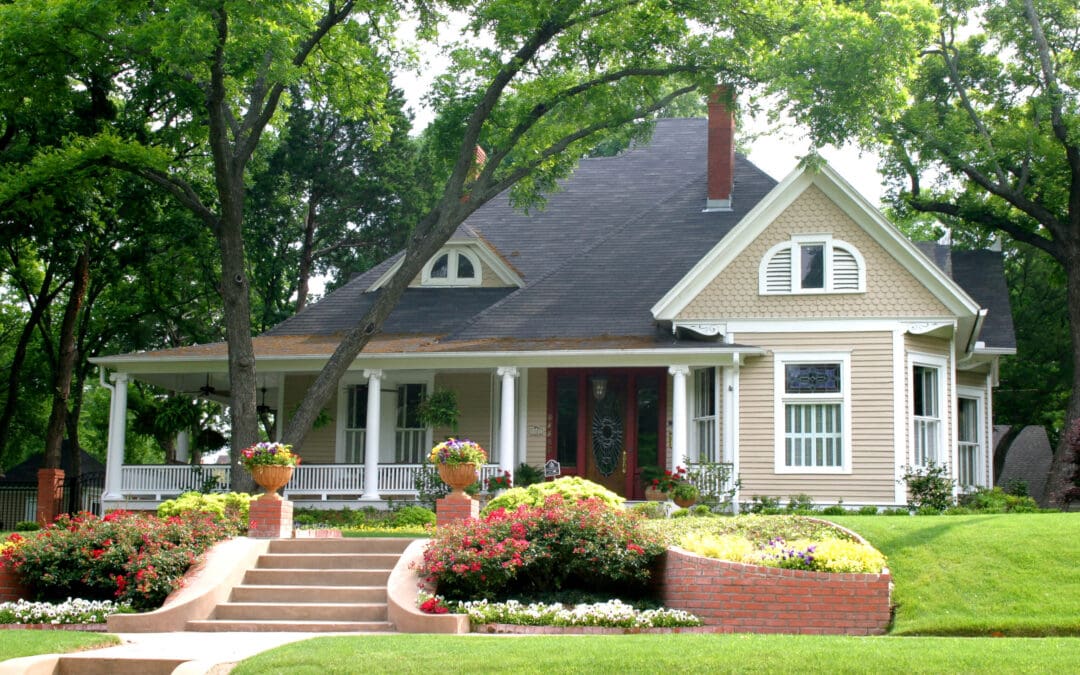
A beautiful yard doesn’t require a landscaping crew or a large budget. It requires good planning, smart plant choices, and a willingness to do some of the work yourself. Landscaping on a budget is entirely achievable when you approach it strategically, prioritize the improvements that make the biggest visual impact, and build the yard gradually over time rather than trying to transform everything at once. With the right mindset and a little creativity, a limited budget can go surprisingly far.
Landscaping on a Budget Starts With What You Already Have
Before spending a single dollar on new plants or materials, take a fresh look at what’s already in your yard. Overgrown, shapeless, neglected shrubs can often be dramatically improved with a good pruning rather than replaced entirely. Bare patches in the lawn may need nothing more than overseeding and consistent watering. Garden beds that are overrun with weeds become entirely different spaces once cleaned up and topped with fresh mulch. In many yards, the most impactful early landscaping investment is time. Existing plants can also be multiplied for free through division. Perennials like hostas, black-eyed Susans, ornamental grasses, and daylilies can all be dug up, split into multiple plants, and replanted across the yard. This approach expands your planting palette at zero cost and gives plants that may have become overcrowded new life in fresh locations.
High-Impact Landscaping on a Budget With Mulch and Edging
Two of the most transformative and most affordable landscaping improvements available are fresh mulch and clean edging. A two to three-inch layer of mulch in garden beds gives the yard an immediate sense of care and intention that makes every plant within it look more deliberate. Beyond aesthetics, mulch suppresses weeds and retains moisture, reducing both the time and money spent on ongoing maintenance throughout the season. Clean edging defines the border between lawn and planting beds with a crispness that elevates the entire yard’s appearance. A flat spade or manual edging tool is all that’s needed, creating sharp, defined lines that make the landscape look professionally maintained. These two improvements together cost very little but consistently produce some of the highest returns of any landscaping on a budget investment.
Landscaping on a Budget Through Smart Shopping and Plant Swaps
Where and when you buy plants has a significant impact on how far your landscaping budget stretches. End-of-season sales at nurseries offer dramatic discounts on healthy plants that simply need to be planted and watered to establish before winter. These plants perform just as well as full-price spring purchases. Buying plants in smaller sizes is another straightforward budget strategy. A four-inch perennial costs a fraction of the same plant in a gallon container, and while it takes a season or two to reach full size, it establishes roots quickly and catches up faster than most gardeners expect. Online plant swaps, neighborhood buy-nothing groups, and community garden exchanges are also excellent sources of free plants from fellow gardeners who have more than they need.
DIY Hardscape and Low-Cost Finishing Touches
Hardscaping elements like pathways, garden borders, and edging materials add structure and visual interest to the landscape without requiring professional installation. A simple gravel pathway between the driveway and front door costs a fraction of what a paved path would, and can be installed in a weekend with basic tools and materials available at any home improvement store. Stepping stone paths, log slice borders, and salvaged brick edging are all affordable options that add character and definition to the yard.
Solar-powered landscape lighting adds significant visual impact for minimal cost. Stake lights along walkways, uplights beneath trees, and string lights across a patio or pergola are all available at accessible price points and transform the yard’s evening appearance in ways that dramatically change how welcoming the property feels after dark.
Frequently Asked Questions (FAQs)
How do I start landscaping on a budget without wasting money?
Start with what you already have. Clean up existing beds, prune overgrown shrubs, overseed bare lawn patches, and divide existing perennials before purchasing anything new. Fresh mulch and clean edging applied to what’s already there often produce a more dramatic transformation than any new plant purchase.
What are the best plants for landscaping on a budget?
Perennials are consistently the best value for budget landscaping because they return year after year without replanting. Native plants are equally smart; they’re adapted to local conditions, require less supplemental care, and are often available at lower prices than exotic varieties.
How can I get free or discounted plants for my landscape?
Dividing existing perennials multiplies your plant count at zero cost. Neighborhood plant swaps, community Facebook groups, and buy-nothing networks are reliable sources of free plants from gardeners with surplus. End-of-season nursery sales offer the deepest discounts on healthy plants that just need to go in the ground before winter.
Is DIY hardscaping realistic for most homeowners?
For straightforward projects like gravel pathways, stepping stone paths, raised bed edging, and decorative borders, yes, absolutely.
How long does it realistically take to transform a yard?
Most meaningful yard transformations happen over two to three seasons rather than in a single weekend. Approaching it as a gradual, ongoing process rather than a one-time project produces better results, prevents budget overrun, and allows you to refine the design.
Jamie Schaefer, Professional Home Inspector, provides home inspection services to Southwest Florida, The Villages, and the surrounding cities and towns in Central Florida. If you’re buying or selling a property, contact us to request an appointment.