
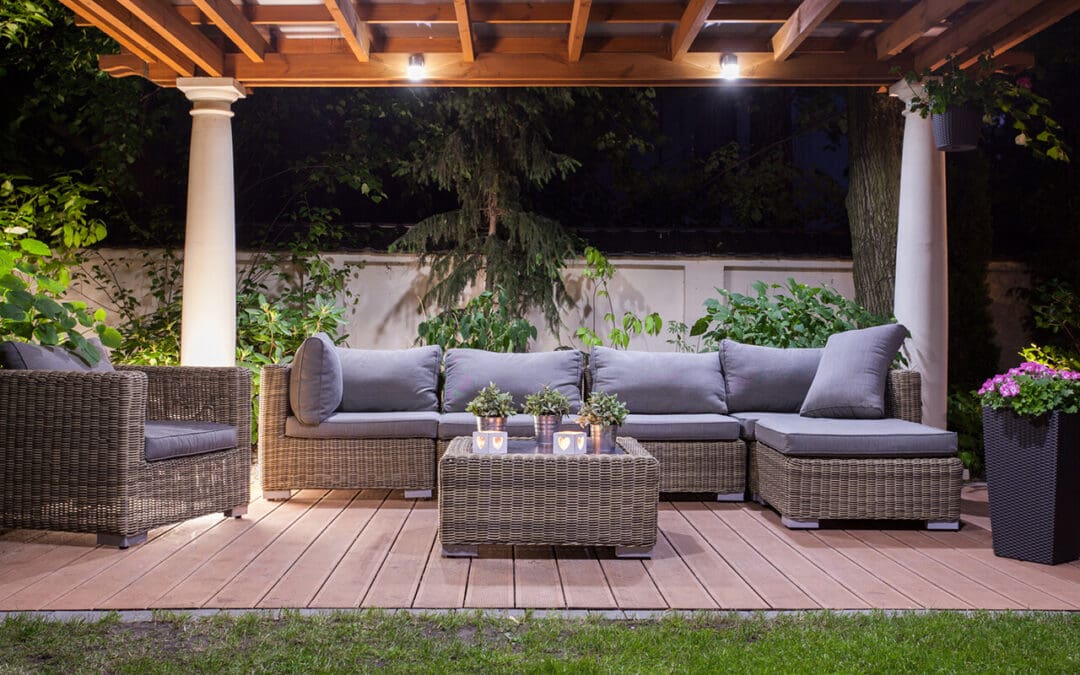
Privacy for outdoor spaces has become a top priority for homeowners who want to fully enjoy their yards, patios, and decks without feeling exposed. Whether it’s close neighbors, nearby roads, or multi-story homes overlooking the property, a lack of privacy can limit how often outdoor areas are used. With thoughtful design choices and practical solutions, privacy in outdoor spaces can be improved to enhance comfort, functionality, and overall home value.
Why Privacy for Outdoor Spaces Matters
Outdoor areas are an extension of the home. They serve as places to relax, entertain, garden, or spend time with family. Without adequate privacy, these spaces may feel less inviting and more stressful. Creating separation from surrounding properties allows homeowners to enjoy outdoor living without constantly being worried about who might be watching. Privacy also contributes to a sense of safety and tranquility. When outdoor spaces feel enclosed and intentional, they’re more likely to be used regularly rather than occasionally. A well-designed approach to privacy for outdoor spaces balances openness with seclusion, creating an environment that feels comfortable rather than closed off.
Natural Solutions for Privacy for Outdoor Spaces
Landscaping is one of the most popular and visually appealing ways to add privacy. Trees, shrubs, and tall grasses can act as living screens that soften boundaries while blending seamlessly into the yard. Evergreen plants are especially effective because they provide year-round coverage instead of seasonal privacy. Climbing plants and vines can be trained along trellises, pergolas, or fences to add vertical privacy without taking up much ground space. Over time, these natural barriers become denser and more effective. Natural solutions for outdoor privacy often require patience but reward homeowners with beauty, shade, and improved curb appeal.
Structural Options That Improve Privacy
When immediate privacy is required, structural features deliver fast, reliable results. Fences remain one of the most common choices and come in a variety of styles, materials, and heights. Wood, vinyl, and composite fencing each offer different levels of durability and maintenance, allowing homeowners to match privacy needs with long-term goals. Pergolas, privacy walls, and lattice panels define specific areas such as patios or hot tubs without enclosing the entire yard. These structures help create visual separation while still allowing airflow and light. Thoughtfully placed structures enhance privacy for outdoor spaces while also adding architectural interest.
Using Layout and Design to Enhance Privacy for Outdoor Spaces
Sometimes privacy issues stem more from layout than lack of barriers. Rearranging outdoor furniture, relocating seating areas, or changing patio orientation could significantly reduce sightlines to neighboring properties. Even small adjustments can make a space feel more secluded. Elevation changes also play a role. Raised planters, retaining walls, or sunken seating areas could naturally block views without the need for tall structures. Designing outdoor spaces with privacy in mind from the ground up helps ensure the solution feels intentional rather than added as an afterthought.
Privacy for Outdoor Spaces on Decks and Patios
Decks and patios often face the greatest privacy challenges, especially when they’re elevated or located close to property lines. Privacy screens, outdoor curtains, and decorative panels will help shield these areas while maintaining flexibility. These options allow homeowners to adjust privacy levels depending on how the space is being used. Shade structures such as pergolas with retractable canopies provide overhead coverage that also reduces visibility from above. Combining overhead elements with vertical screening creates a more enclosed, comfortable environment. Addressing privacy for outdoor spaces at the deck and patio level often delivers the most noticeable improvement in everyday enjoyment.
Long-Term Benefits of Investing in Privacy for Outdoor Spaces
Improving outdoor privacy does more than enhance daily comfort. Well-designed privacy features could increase a home’s perceived value and usability. Buyers often view private outdoor areas as desirable extensions of living space, especially in suburban and urban settings. Privacy improvements also encourage more frequent use of outdoor areas, making investments in landscaping, furniture, and amenities more worthwhile. Over time, the return on investment is measured not only financially but also in terms of quality of life and enjoyment of the home.
By combining landscaping, structures, and thoughtful layout choices, homeowners can create outdoor spaces that feel welcoming, intentional, and perfectly suited for everyday living.
Frequently Asked Questions (FAQs)
What is the most affordable way to add privacy outdoors?
Landscaping with fast-growing shrubs or using portable privacy screens is often the most budget-friendly approach.
How long does it take for plants to create privacy?
Growth time varies depending on plant type, climate, and maintenance. Some fast-growing shrubs provide noticeable coverage within one to two seasons, while trees may take several years.
Do privacy features require permits?
In some areas, fences or large structures may require permits or must meet height restrictions. It’s important to check local regulations before installation.
Can privacy solutions block too much light or airflow?
Yes, poorly planned designs could make outdoor spaces feel closed in. Balancing solid barriers with open or semi-transparent elements helps maintain comfort.
Jamie Schaefer, Professional Home Inspector, provides home inspection services to The Villages, Florida, and the surrounding cities and towns in Central Florida and the New York Metropolitan Area. If you’re buying or selling a property, contact us to request an appointment.